
• -20%
Chess pieces 1950's Soviet Latvian Staunton 7
search
  • Chess pieces 1950's Soviet Latvian Staunton 7
  • Chess pieces 1950's Soviet Latvian Staunton 7
  • Chess pieces 1950's Soviet Latvian Staunton 7
  • Chess pieces 1950's Soviet Latvian Staunton 7
  • Chess pieces 1950's Soviet Latvian Staunton 7

Chess pieces 1950's Soviet Latvian Staunton 7

€259.90
€207.92 Save 20%
Tax included

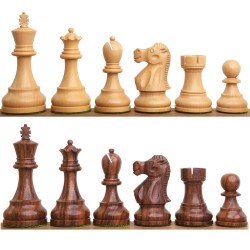
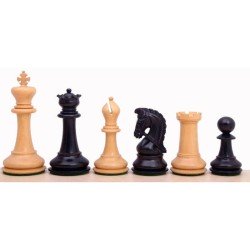
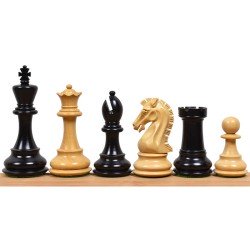
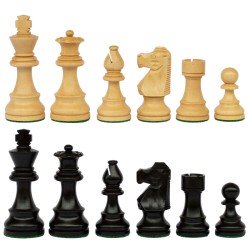
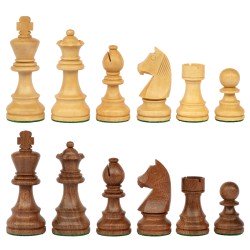
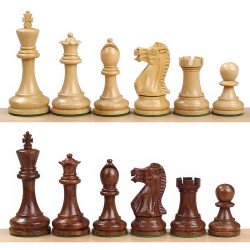
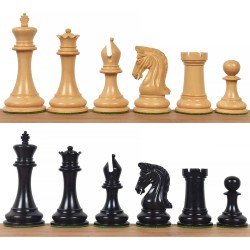
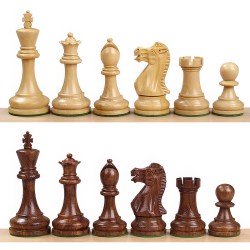
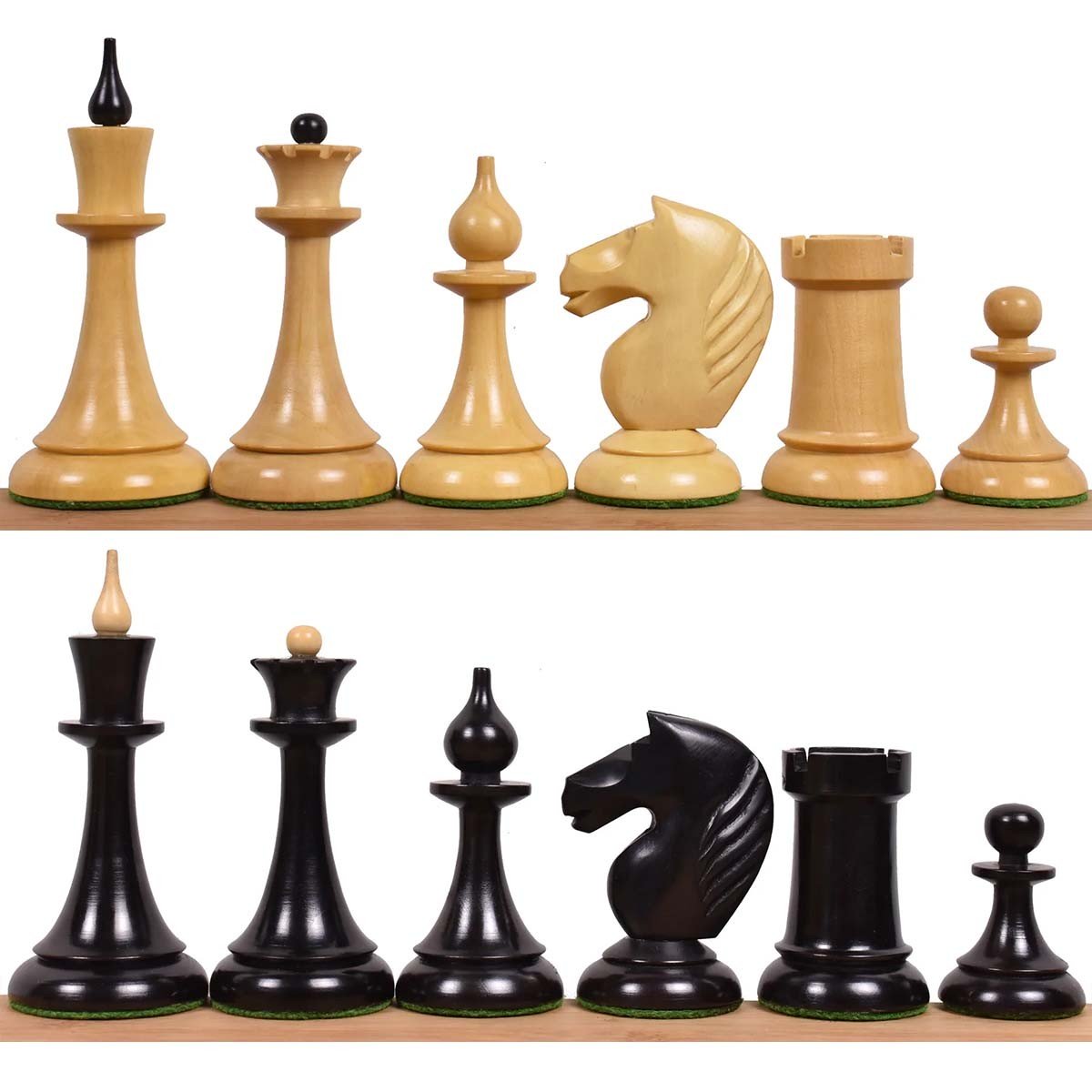
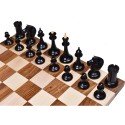
The Soviet Latvian chess pieces from the 1950s are inspired by one of the favorite Latvian designs of the Soviet grandmaster Mikhail Tal.

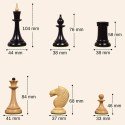
These pieces feature a unique and slender design with an elegant aesthetic, making them an innovative alternative to the traditional Staunton chess set. The knights are unusually large, with their manes styled to one side. The pieces have double weighting through a combination of iron and lead inserts to enhance their playability on the board. It’s no surprise that this is one of the most popular designs from the Soviet era!

The popularity of this design greatly increased after its appearance in the popular Netflix series 'The Queen's Gambit.'

Quantity
In Stock

  Security policy

(edit with the Customer Reassurance module)

  Delivery policy

(edit with the Customer Reassurance module)

  Return policy

(edit with the Customer Reassurance module)

Distinctive Features Unlike the robust and heavy pieces from the West, the Latvian style is defined by its slenderness and functional simplicity. Opposite Finials: This is its most famous trait. The King usually has a finial (crown) in the opposite color (a black finial on the white king and vice versa). The same occurs with the Queen and sometimes with the Bishops. Bishops without a Slot: Instead of the classic notch in the mitre, Latvian bishops often have smooth, rounded heads, often with a contrasting-colored "button" on top. One-Piece Knights: While in other sets the knights are highly detailed and carved separately, the Soviet style of the 1950s features more stylized knights with minimalist manes, evoking an almost "modernist" aesthetic. Wide Bases and Thin Necks: They have a low center of gravity but a very slim silhouette, making them look very elegant on the board. [Image: Chess pieces 1950s Soviet Latvian - detail 01] [Image: Chess pieces 1950s Soviet Latvian - Mikhail Tal] The Connection with Mikhail Tal It is impossible to talk about these pieces without mentioning the legend from Riga: Mikhail Tal. This design was the standard in tournaments of the Latvian Soviet Socialist Republic. Tal, known as the "Magician of Riga," grew up and perfected his aggressive and sacrificial style using these pieces. For this reason, many modern sets replicating this design are marketed under the name "Tal Series" or "Latvian Soviet." Why Are They So Highly Valued Today? Unlike mass-produced plastic sets, the pieces from the 1950s: Were made of real wood: Generally birch or beech, varnished with lacquers that acquired an amber patina over time. Use of "Ebonizing": The black pieces were not made of real ebony (expensive and scarce), but from light woods dyed a deep black. Historical Symbolism: They represent the golden era of Soviet chess, when the game was a matter of state and the epicenter of world talent was in cities like Riga and Moscow. Fun Fact: In photos from Soviet championships between 1950 and 1960, you will notice the pieces have no felt on their bases. Players preferred the sound of wood striking wood directly on the board. [Image: Chess pieces 1950s Soviet Latvian - detail 02]
PZM-RCM-300BW

Data sheet

Square size
Weighted
Sí
King's height
9,7
Base del rey
Staunton Num.
6
Wood type
Madera de Boj (Boxwood)
Felt in base
Si
Presentación
Caja de cartón
Doble dama

You might also like